
 RL 01
RL 01
 RL 02
RL 02
 RL 03
RL 03
 RL 04
RL 04
 RL 05
RL 05
 RL 06
RL 06
Riikka Laaksoharju
Step up to an Empty Table
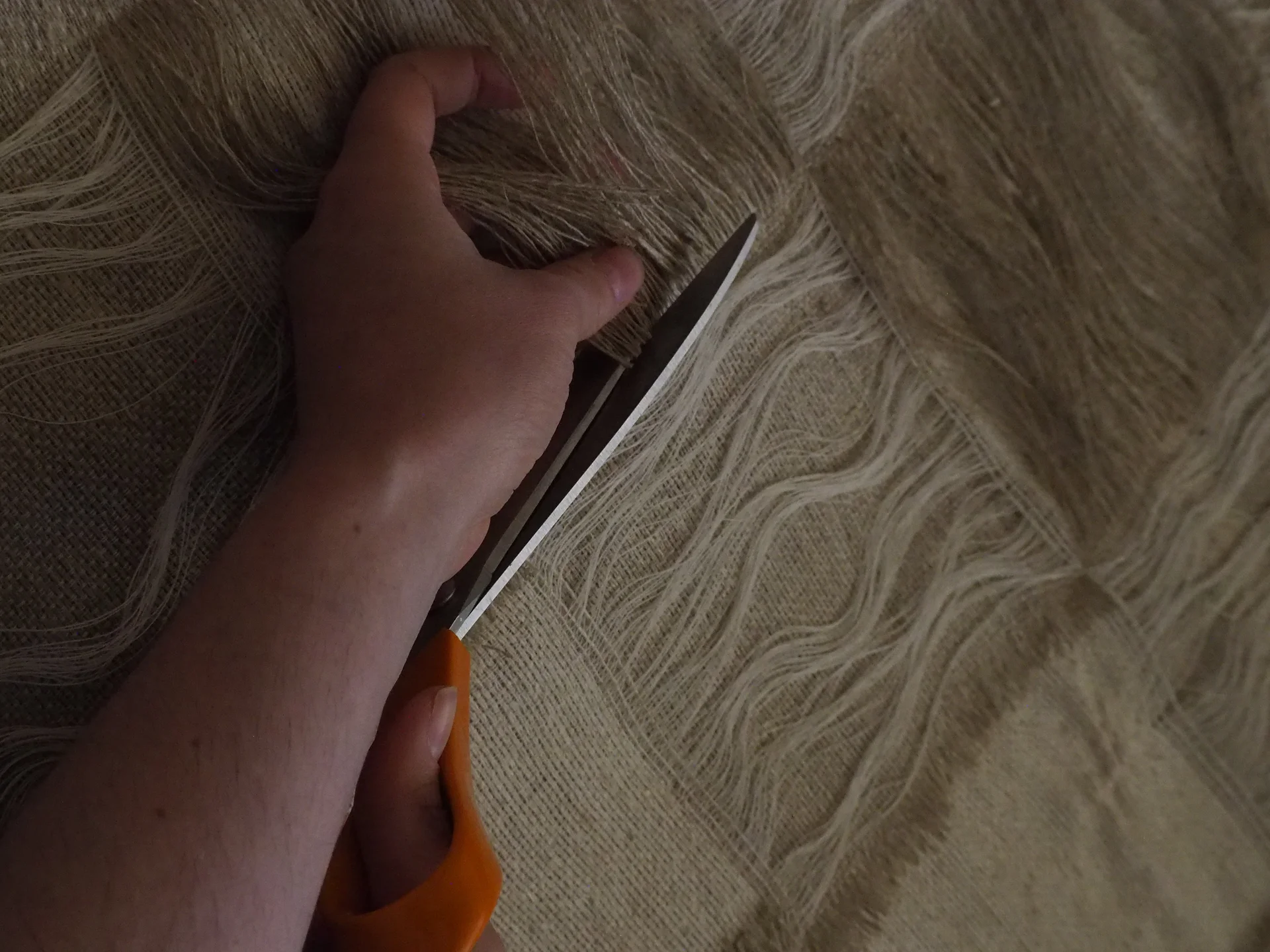
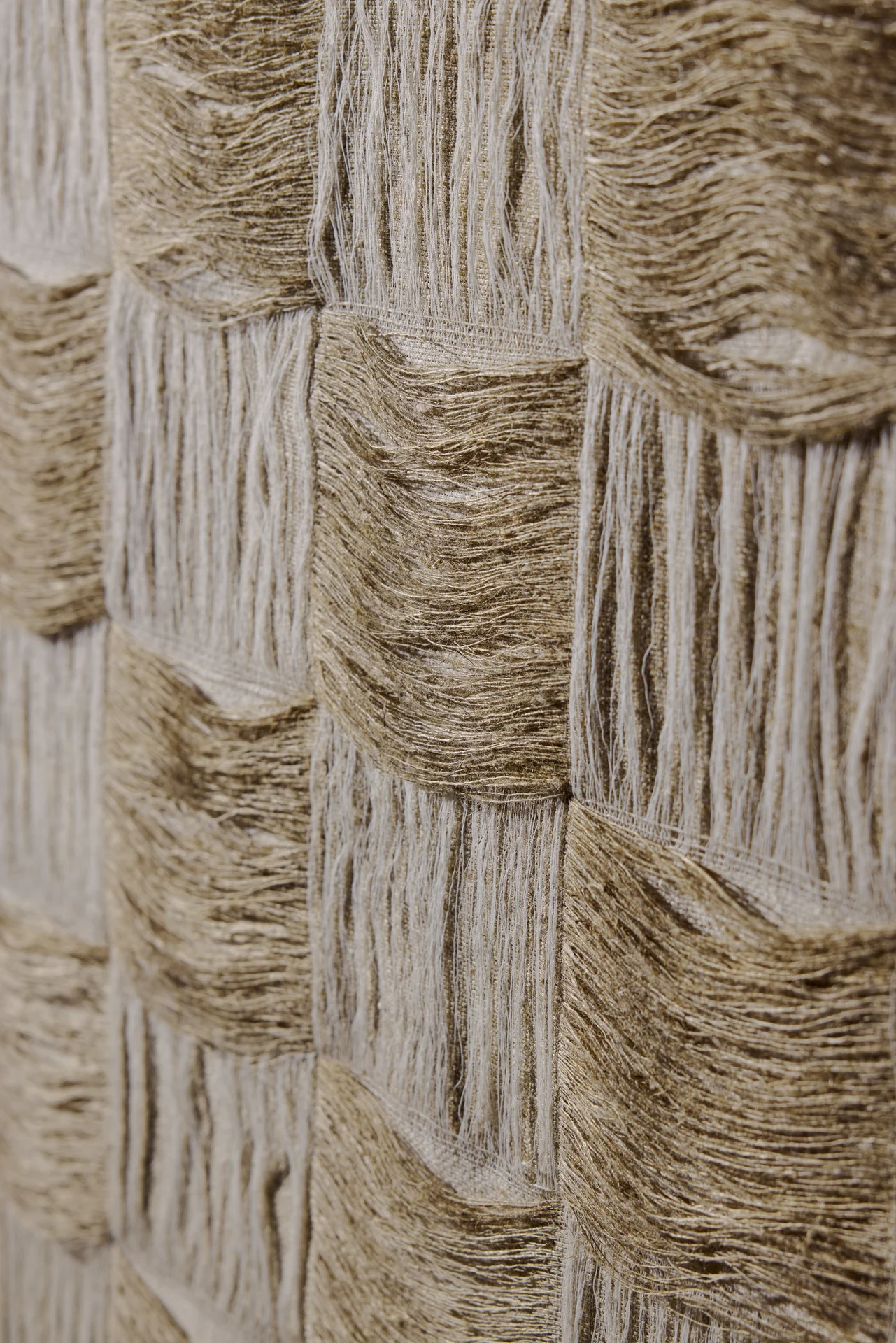
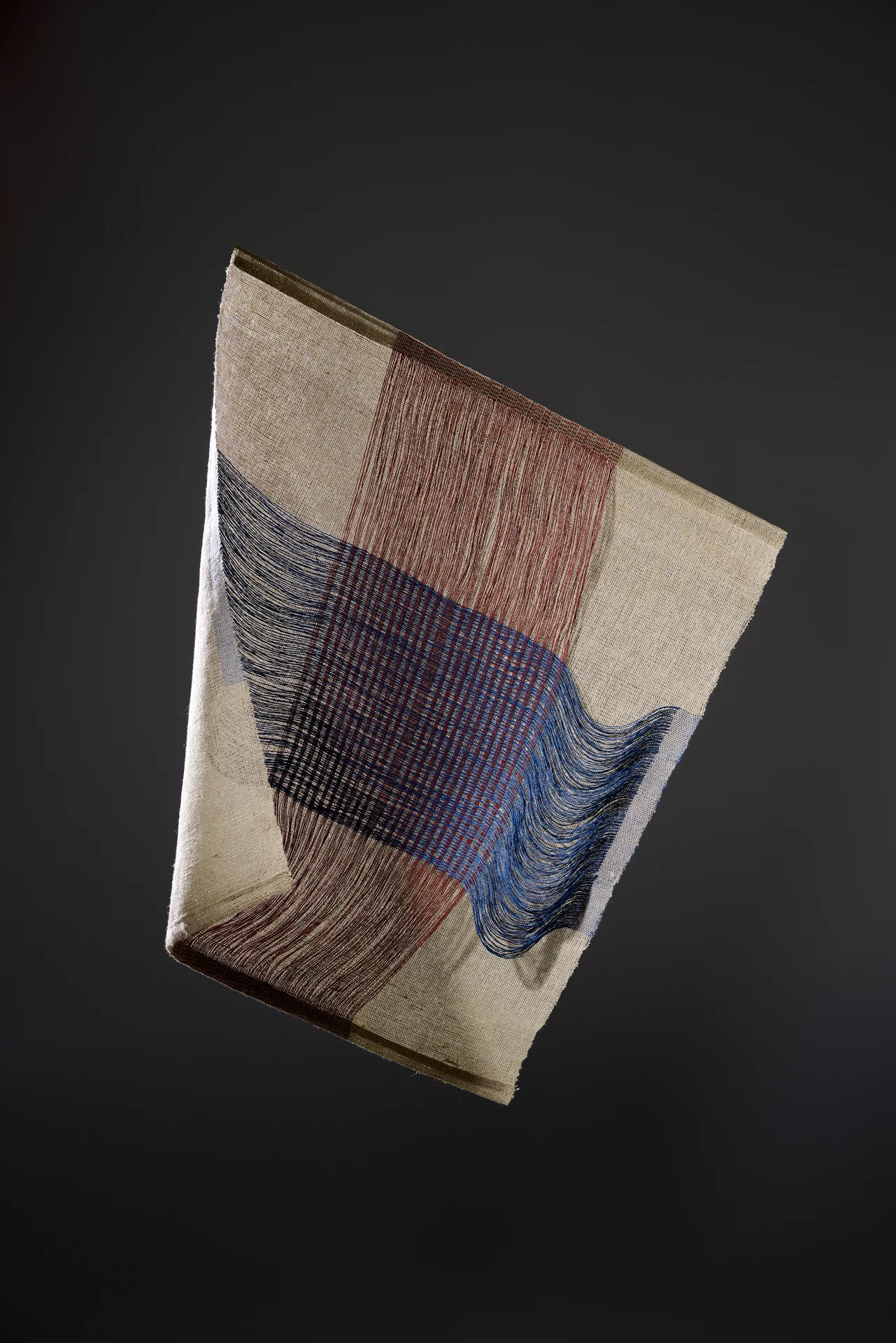
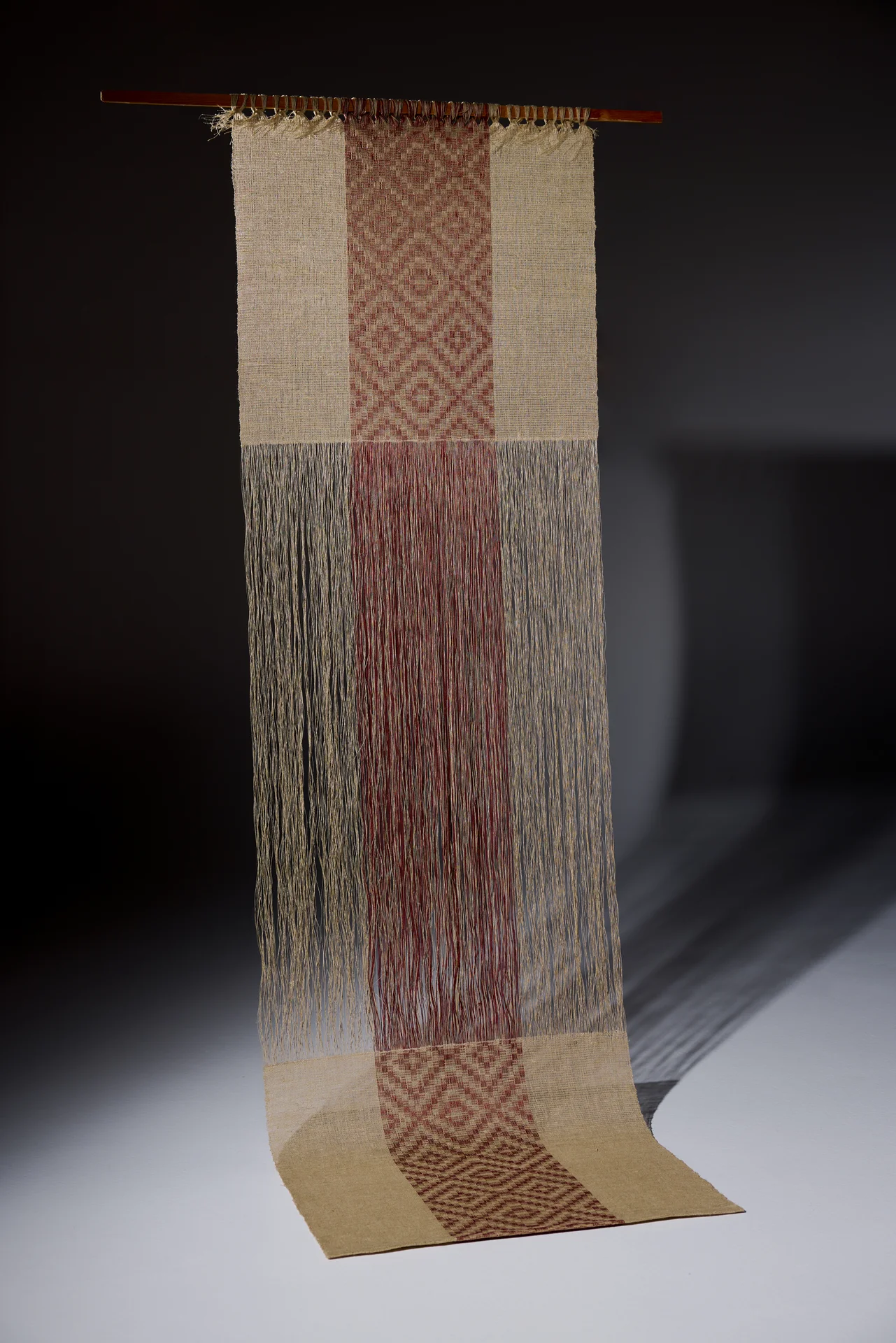
Step up to an Empty Table is a series of three art textiles that serve as a meta-commentary on the expressive qualities of woven textiles and the fragile nature of contemporary craft culture. The series is conceptually rooted in a vague grief stemming from the distance between the present moment and the last generation of crafters in the family, who have left behind artefacts of a past in which making textiles was an intrinsic part of everyday life.
“I have received an inheritance no one else wanted. Looms, spinning wheels, linen tablecloths, and heirloom lace doilies have no place in most contemporary lives and homes. It sometimes feels like stepping up to an empty banquet table long after the party is over.”
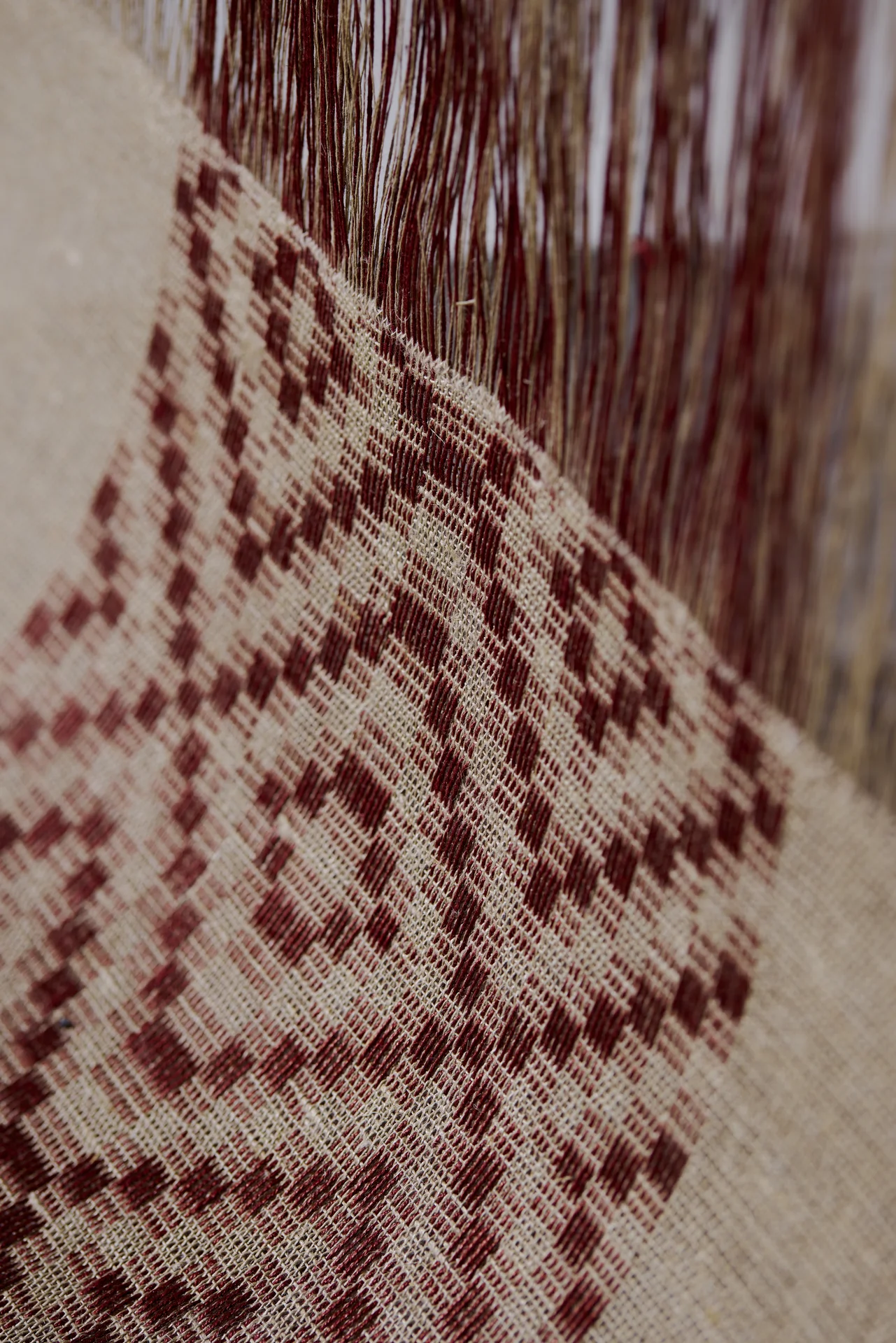
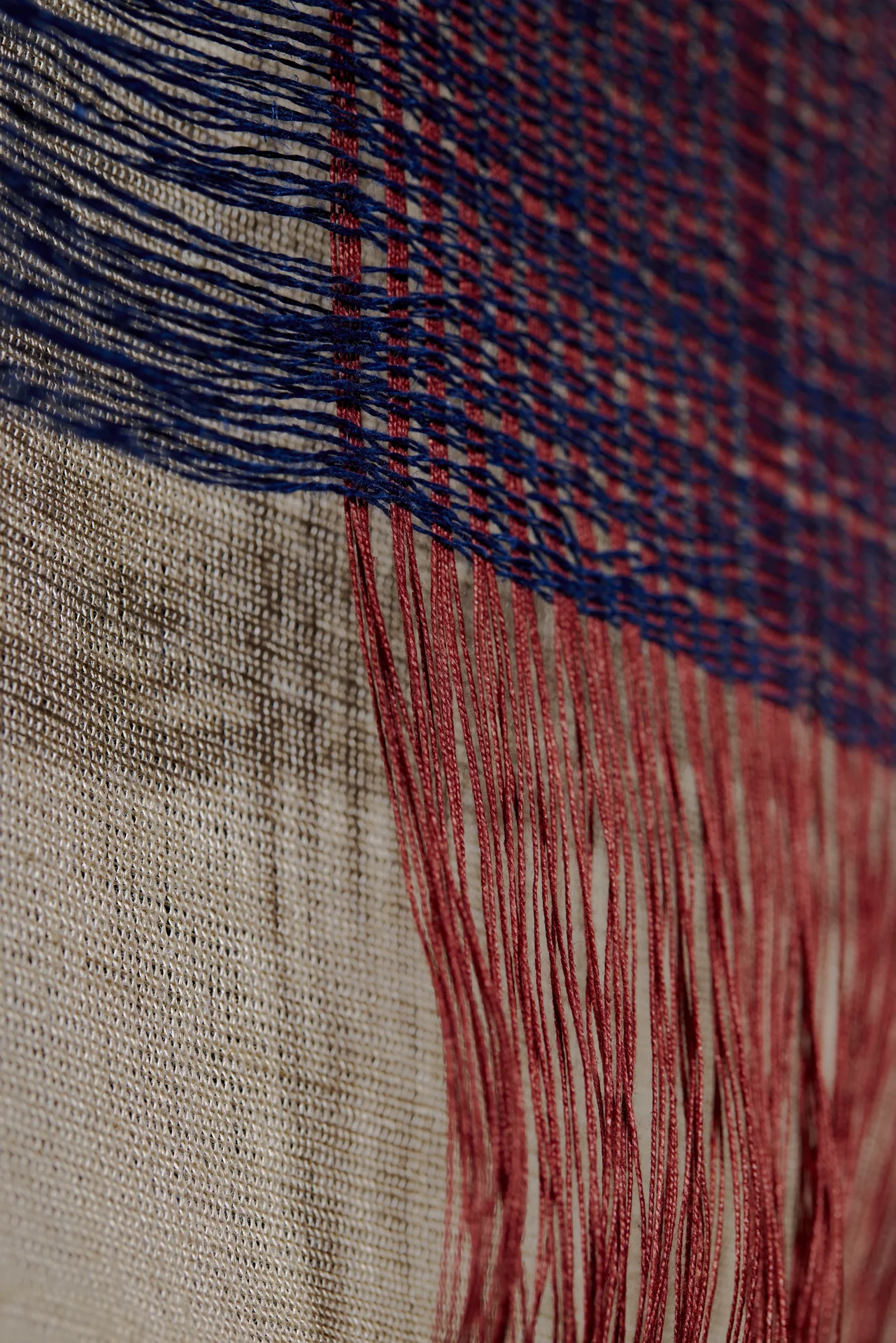
Works within the series rely on abstract ways in which woven textiles communicate narratives: warp, weft, structure, and material choices are used purposefully to convey both disconnectedness and unity. Weaves in the handwoven fabrics stem from traditional folk patterns such as dala träll and plain weave, engaging with them in a new way.
Tie/Path and Risteys/Crossing pieces were woven on a shaft loom; Kivijalka/Foundation was woven on a hand-operated TC2 jacquard loom. Hand-weaving the pieces was a time-consuming process that allowed bodily actions to connect with emotional and intellectual reflection, giving the process a meditative quality. Tie/Path and Risteys/Crossing pieces were executed on custom warps. Designing the warp enabled Laaksoharju to build a meaningful foundation for the work. The textiles have been woven from vintage linen yarns, likely decades old. Working with these rare and limited materials connects the designer to the long tradition of weaving.
“In the process of making, I have been able to reflect on what it means to be a weaver and a crafter in the 21st century and engage meaningfully with my family’s textile heritage. When I’m weaving, I’m not only creating fabric, but also weaving stories and time into an artefact that contains these narratives within.”
Taxonomy
#2026
#exhibition
Supervisor
Maarit Salolainen
×
![Detail view of Riikka Laaksoharju work]()